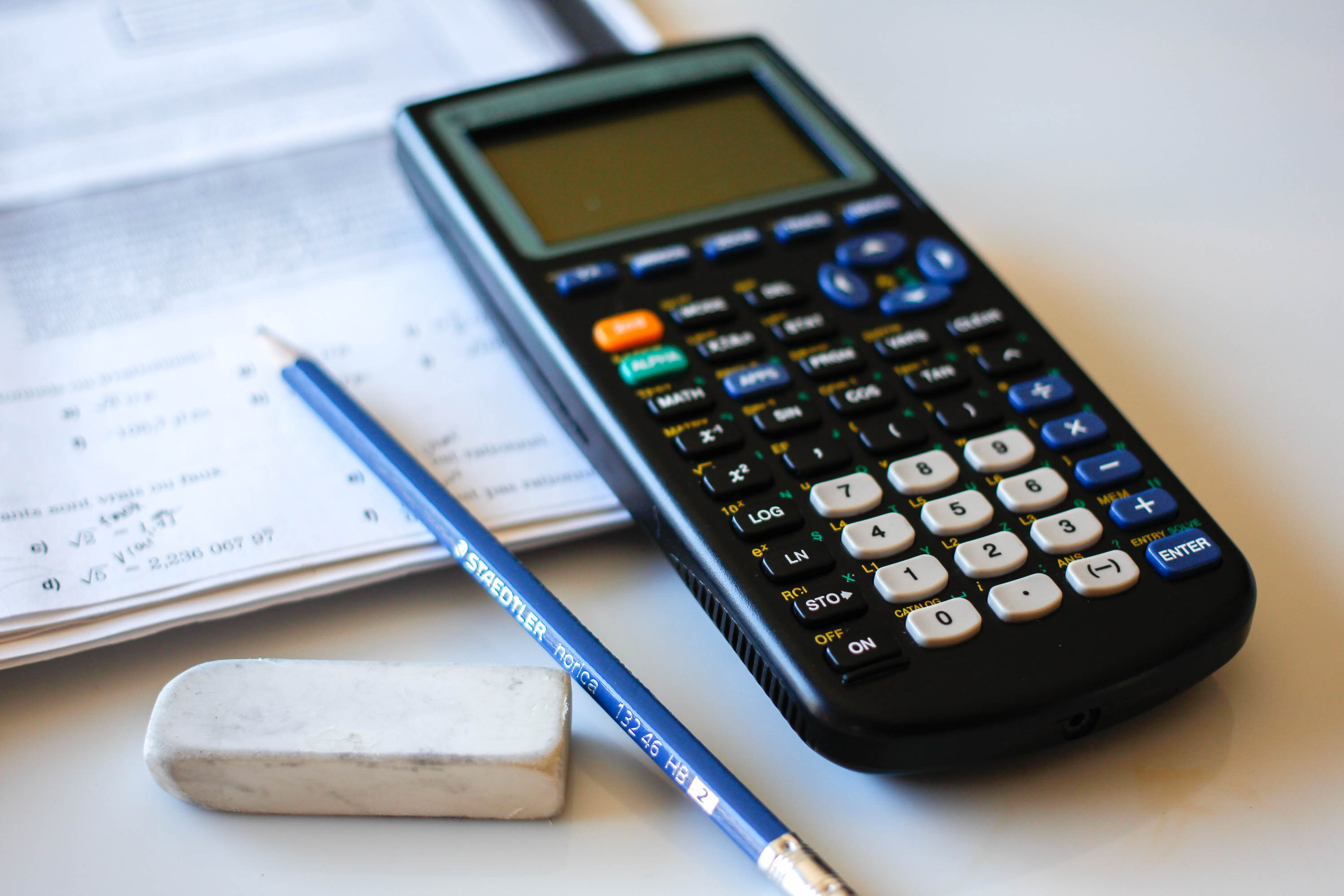
Even though Flickr is a photo sharing website for the public, it can be used for mathematical purposes. As pictured above, the topic of the images could be anything, including math. My students might use Flickr as a location for their portfolio pictures. They can photograph their own work and upload to Flickr. By simply sending me the link, I can view their pictures. Not only does Flickr allow my students to share their work with me, it allows them to share their work with anyone. This helps broaden their audience and therefore encourage them to create complete, polished pieces of work.
In addition to student uploads, the wide range of photos published on Flickr can be useful. My students will also be responsible for publishing some of their mathematical reasoning in public forms, such as blog posts. Again, a public audience helps both readers and students alike. While many blog posts can be text only, some posts may benefit from some images. Flickr would be a fantastic resources to add media to their posts. Flickr would be the tool of choice because it makes the copyright information very clear and you can search by Creative Commons licenses. This encourages students to practice academic honesty and understand that they are responsible for following the Creative Commons licenses. My sixth grade students have not yet mastered the citation process and I may encourage them to search within the Public Domain section of Flickr. Fortunately, it is possible to search by license as one of the search options. Another search option ideal for the classroom is SafeSearch. I like that SafeSearch is on by default. Overall, Flickr is student friendly and can help my students enhance their work in a variety of ways.
References
Verch, M. (2018, June 21). Taschenrechner, Bleistift und Radiergummi. Mathematik-Hausaufgaben. Retrieved from https://www.flickr.com/photos/149561324@N03/42448090704/in/photolist-27EZyuQ-cdVqHd-qvf8SF-ceL4wu-cfKzLE-bXnZvg-bXnYKB-bV2z6M-coiv17-ccoNwL-Curn1R-coiuDf-egwpCD-cfKxS5-qvf8Sv-WQECyY-9f8aVo-8wyUHM-5qkLpx-7CGoEU-8MF4cJ-9nmcX8-6UKAEw-deht9N-bWf3xg-ctjbDE-cthZ23-ceK96b-cohZ7q-dehoXQ-csbbV3-dcpHpi-cuEzub-cohZdb-ctj8e5-ogFFKn-jUgSSZ-cdcXtY-cdcTjj-cthT1W-dehqiu-cee8cy-cuDNz3-dKrc4E-b97zFz-bV2yaM-bVQDmi-cdcWBb-cthRQj-cti4WA
Verch, M. (2019). Taschenrechner, Bleistift und Radiergummi. Mathematik-Hausaufgaben. Retrieved June 19, 2019, from https://foto.wuestenigel.com/taschenrechner-bleistift-und-radiergummi-mathematik-hausaufgaben/

 Math with Ms. Hollander
Great ideas! You could also ask your students to find images that depict various math concepts. For example, they could find photos of elements in the real work of perpendicular lines or parallel lines, parabolas, cubes, etc.
LikeLike
I never thought about having students take pictures of their homework and post it to Flickr to share with me, but what a great idea! I love how Flickr has such a wide variety of images that could fit almost any curricular area. Like you said, it also is easy to make sure that you are practicing good Digital Citizenship practices by using their Creative Commons searches. It makes it so much easier and reliable than Google searches.
Students often ask “why do I need to learn this” and “when am I ever going to use this again”. Using images will help open their minds up to the math that is in their everyday world, helping them build those authentic connections.
I also appreciate the default of the Safe Search, especially with middle schoolers!
LikeLike